Not all cabins are built — or maintained — the same way.
When buying a cabin, the type of cabin you choose affects maintenance, usability, inspections, and long-term comfort just as much as location does. Understanding the differences between common cabin styles helps buyers make decisions based on how they live, not just how a property looks online.
Below is a practical overview of common cabin types and the trade-offs that come with each.
Log Cabins
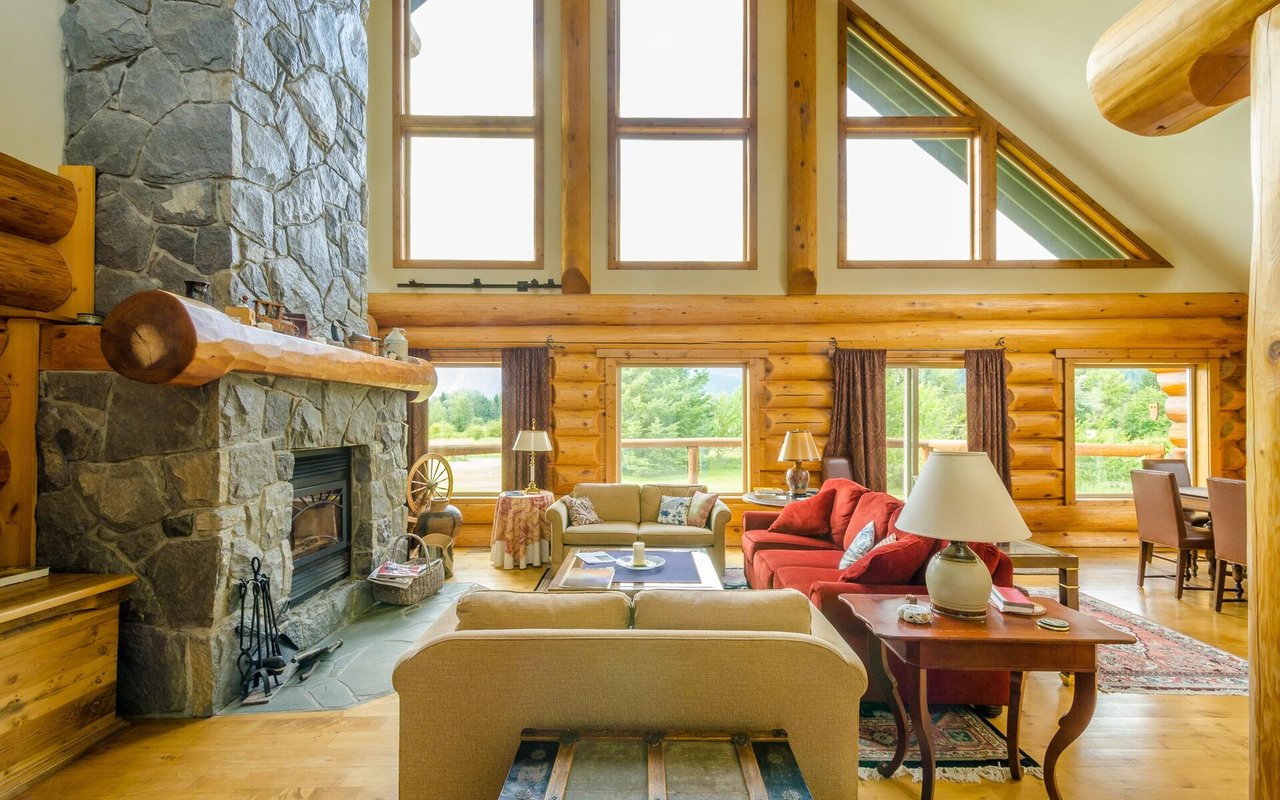
Log cabins are one of the most recognizable and iconic cabin styles.
They offer strong visual appeal and a classic mountain aesthetic, but log cabin ownership often requires a higher level of ongoing care.
Common considerations with log cabins include:
- Regular sealing and exterior maintenance
- Potentially higher upkeep costs over time
- The need for inspectors experienced with log construction
Log cabins can be rewarding for owners who enjoy hands-on involvement, but they tend to demand more attention than other cabin types.
A-Frame Cabins
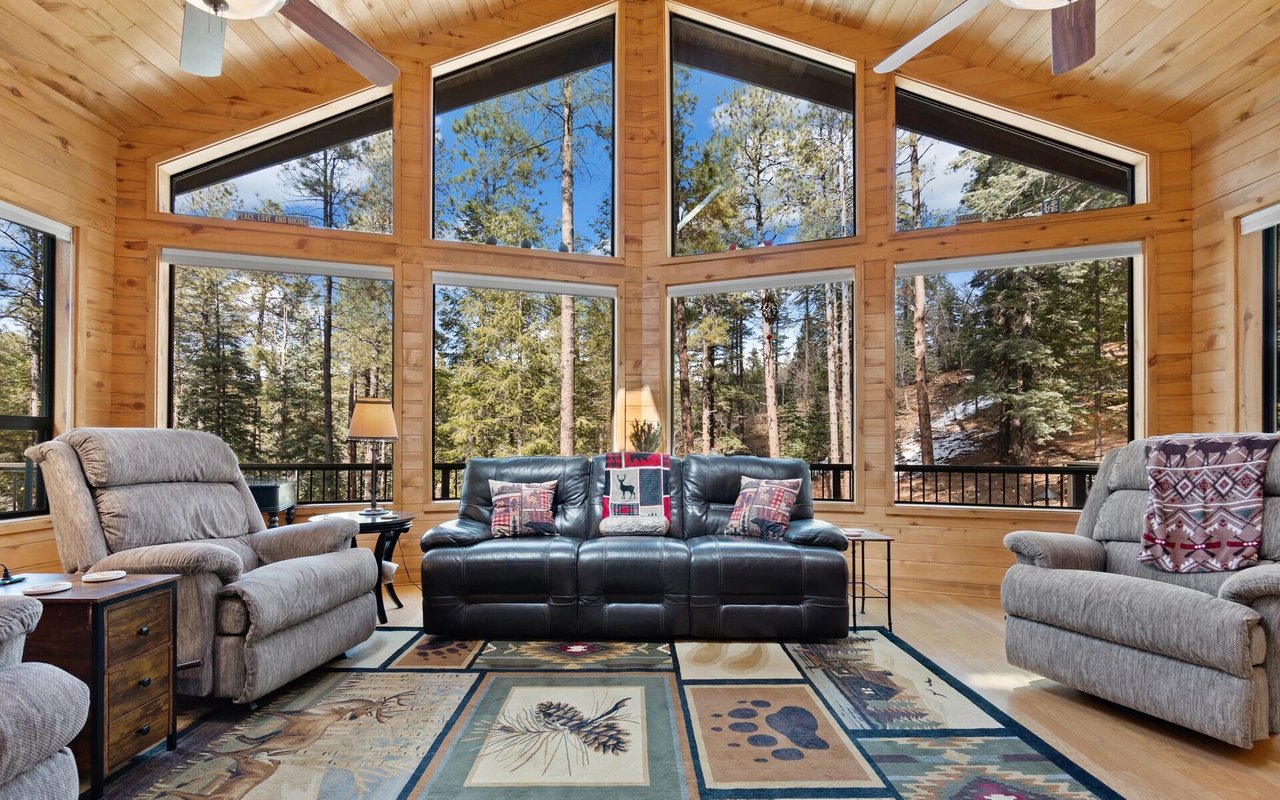
A-frame cabins are distinctive and functional, especially in areas with heavy snow.
Their steep rooflines help shed snow efficiently, and their compact footprints can feel cozy and efficient. That said, A-frame cabins come with layout-specific considerations.
Typical A-frame cabin trade-offs include:
- Limited vertical wall space
- Steep stairs or ladder-style access to lofts
- Floor plans that don’t work for every lifestyle
A-frame cabins appeal to buyers who value design and simplicity, but their unique layouts aren’t always ideal for long-term or multi-generational use.
Vintage Cabins
Vintage cabins often attract buyers looking for charm, history, and character.
However, older cabins frequently come with practical challenges that need to be evaluated carefully during inspections.
Common considerations with vintage cabins include:
- Outdated electrical, plumbing, or heating systems
- Deferred maintenance from years of seasonal use
- Additions or modifications that may not have been permitted
Vintage cabin ownership can be rewarding, but it typically requires a realistic approach to upgrades, repairs, and long-term planning.
Modern Mountain Homes
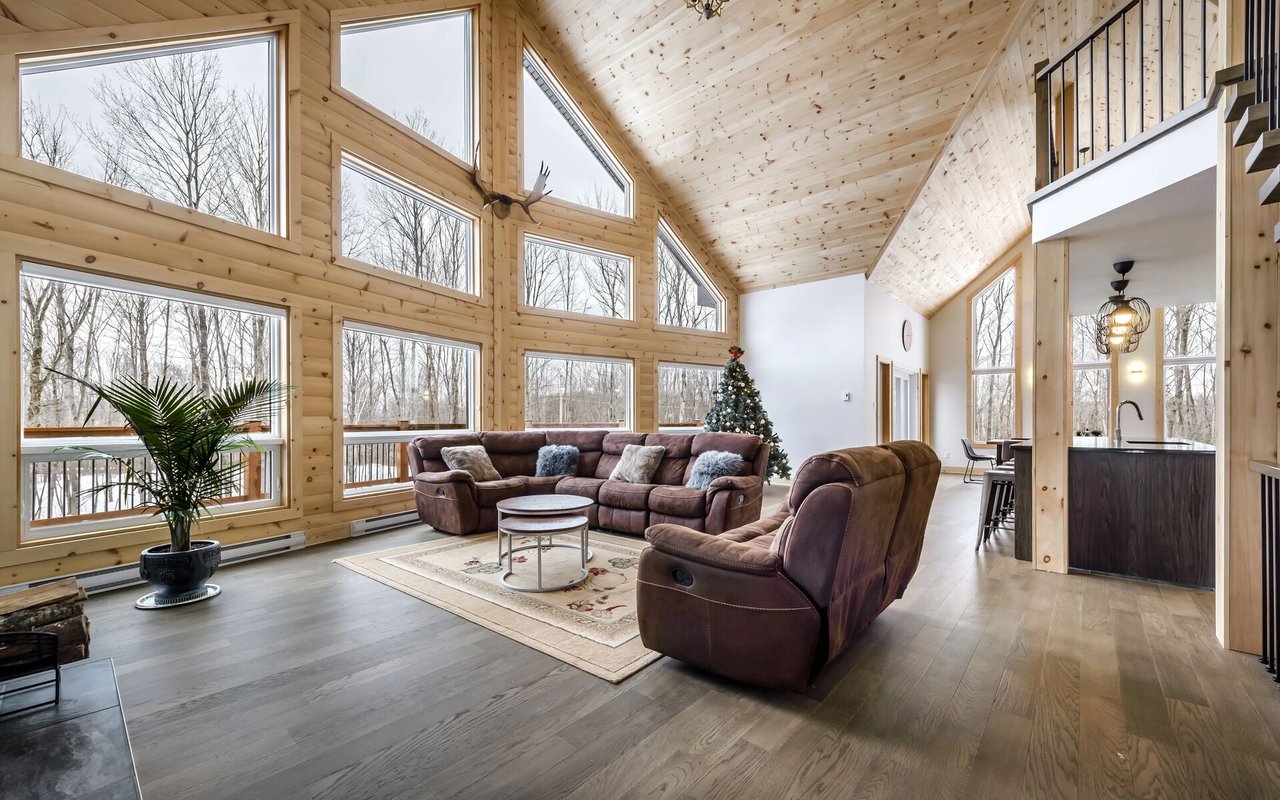
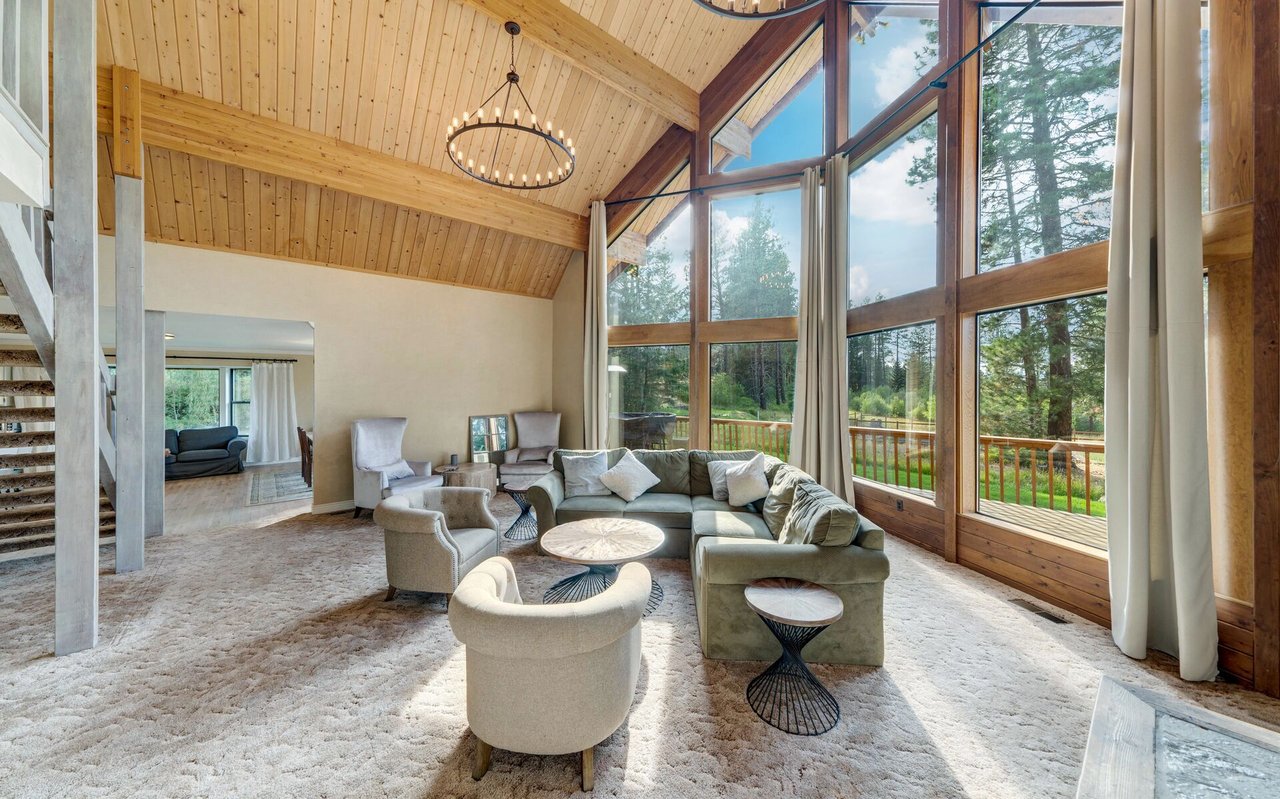
Modern mountain homes are often designed to blend cabin living with contemporary comfort.
They may offer newer systems, improved insulation, and layouts that support year-round living. From a maintenance standpoint, they’re often easier to manage.
Things to consider with modern mountain homes include:
• A look and feel that may differ from traditional cabin styles
• Pricing that reflects newer construction or updated features
For buyers prioritizing convenience and efficiency, modern mountain homes can be a good fit — even if they don’t match the classic cabin image some people expect.
Final Thought
Choosing between different cabin types isn’t about which style is “best.”
It’s about understanding how each cabin style aligns with your lifestyle, maintenance tolerance, and long-term plans. The right cabin type should support how you live — not just how it photographs.
Mathew Cabral – REALTOR® (CA DRE #02168705)
The Rise Group & Real Brokerage (CA DRE #02022092)
Equal Housing Opportunity